
A window warranty is the manufacturer’s written promise about what it will fix or replace, for how long, and for whom. Two warranties that both say “lifetime” can cover very different things, so the details matter more than the headline.
Before you buy, read the actual document. Check what parts are covered, whether labor is included, whether you must register the product, and what happens if you sell the house. That’s where most of the real differences hide.
At TurnKey Window we install replacement windows around New Orleans, and warranty questions come up on nearly every estimate. If you’d like to go over the paperwork for a specific product, get in touch or call (504) 226-6201.
Key takeaways
- Under federal law, a written warranty on a consumer product must be available for you to read before you buy, according to the FTC.
- A “limited” warranty doesn’t meet at least one of the federal standards for a “full” warranty, and any warranty that requires registration is limited.
- Manufacturer warranties often cover parts but not the labor to install them, so ask who pays for labor.
- Registration deadlines are common. SoftLite, for example, requires registration within 60 days of installation.
- Transfer rules vary, and some warranties shrink or end when the house is sold.
- Installation matters, since manufacturers can exclude damage caused by improper installation.
This is a practical guide to reading warranty paperwork, not legal advice. For questions about your rights under a specific warranty, the FTC and your state attorney general’s office are the official places to start.
How window warranties work
The Federal Trade Commission describes a warranty as a promise to stand behind the product. In its consumer guide to warranties, the FTC says warranties must be available for you to read before you buy, in a store or online.
The FTC’s Businessperson’s Guide to Federal Warranty Law explains the two labels you’ll see. A “full” warranty meets the federal standards for comprehensive coverage, and a “limited” warranty doesn’t meet at least one of them.
That same guide notes that requiring customers to return a registration card isn’t allowed in a full warranty. So when a window warranty requires registration, it will be a limited warranty, which is normal for the industry and doesn’t mean the coverage is weak.
Manufacturer warranty vs installation warranty
Most window projects involve two separate promises. The manufacturer covers defects in the product itself, like a failed glass seal or a broken balance. The installer covers the workmanship, like leaks caused by how the window was set, flashed and sealed.
These two can point at each other when something goes wrong. A manufacturer can exclude damage from improper installation, and an installer’s coverage won’t pay for a defective part. You want both in writing, with clear terms.
What a typical window warranty covers
Every brand writes its own terms, so it helps to look at a real document. SoftLite is a brand we install, and its Lifetime Limited Product Warranty summary is a good example of how the pieces fit together.
Here’s how that summary breaks down coverage for products made after May 10, 2021. Other manufacturers use different periods, so treat this as an example of what to look for.
| Component | SoftLite coverage (per its warranty summary) |
|---|---|
| Vinyl frame members, screen frames, locks, keepers, balances, sash retainers | For as long as the original purchaser owns and lives in the home |
| Insulating glass seal (fogging from dust, moisture or film inside the unit) | Lifetime limited, with units containing breather tubes excluded |
| Stress cracks in glass | 1 year from installation |
| Accidental glass breakage | Not covered, unless a Glass Breakage Protection Rider applies |
| Leaded glass | 10 years |
| Patio door hardware | 10 years |
| Factory-coated or painted exterior frame surface | 10 years against weathering such as peeling, cracking or blistering |
| Exterior laminates | 20 years |
| Surface defects like scratches or dents | Must be reported within 60 days of installation |
A table like this makes one thing clear. “Lifetime” usually applies to the core frame and moving parts, while finishes, special glass and certain hardware often carry shorter terms.
Glass seal failure and fogging between panes
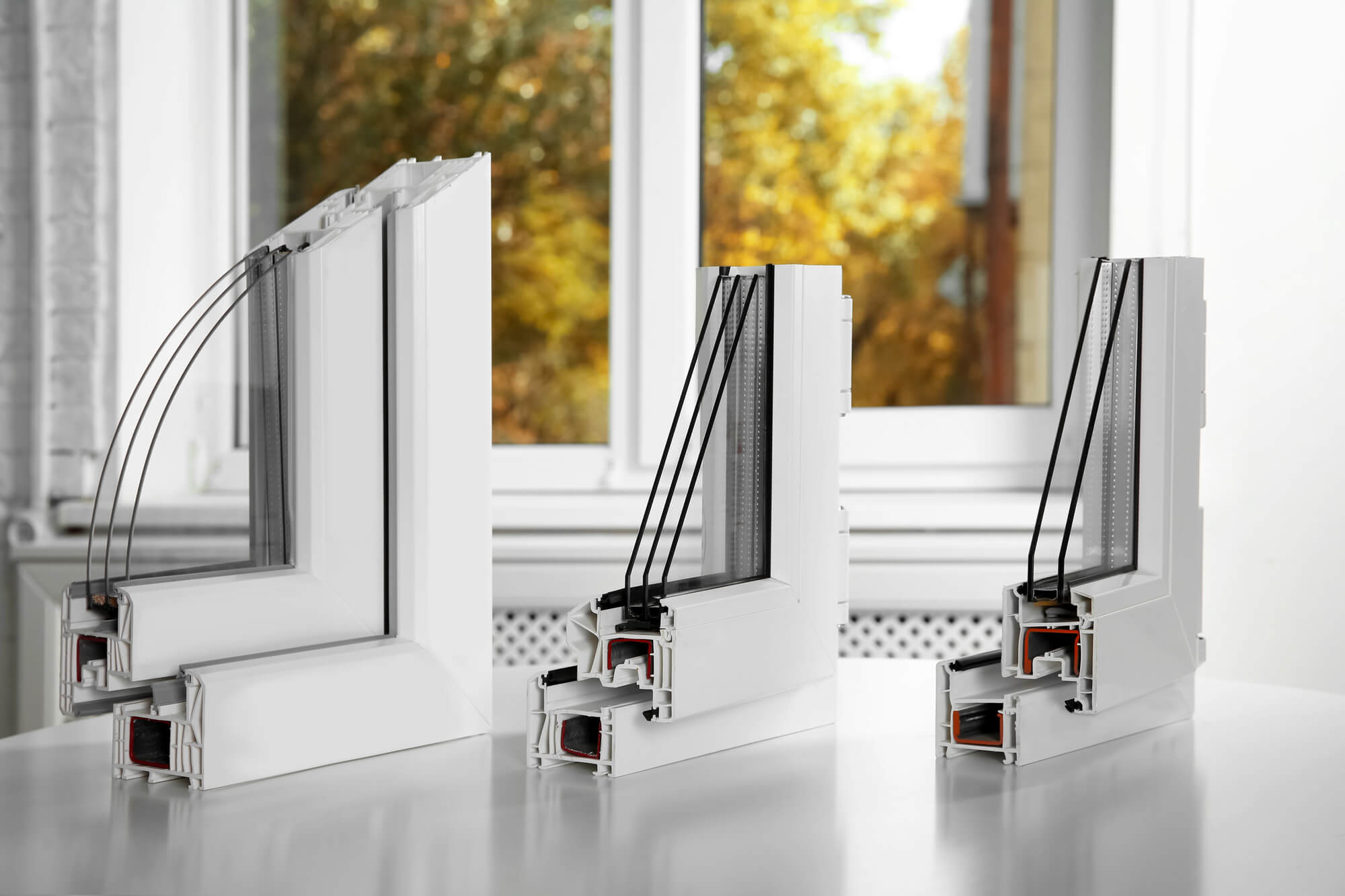
Double- and triple-pane windows are sealed units. When the seal fails, you may see fogging or a film between the panes that you can’t wipe off.
SoftLite’s summary covers insulating glass against material obstruction of transparency due to dust, moisture or film inside the unit. Its separate Glass Breakage Protection Rider adds no-charge glass replacement, including accidental breakage, but it states that labor and shipping aren’t included.
The rider also says condensation on the outer surfaces of the glass isn’t a defect. In humid weather, outside fog on cool glass is normal. Fog between the panes is the warranty issue.
The fine print to read before you buy
The FTC’s consumer guide suggests checking how long coverage lasts, what repairs are included, whether you’ll get a repair, replacement or refund, who you contact for service and who pays for labor or shipping. For windows, those questions turn into a short checklist.
- Labor. Find out if the manufacturer pays to remove and reinstall a part, or only supplies the part.
- Registration. Note the deadline and agree on who handles it, you or the installer.
- Transfer. Check if coverage passes to the next owner, what the fee is and how the terms change after a sale.
- Glass breakage. See if accidental breakage is included or sold as an extra rider.
- Finishes. Look for the term on painted or laminated surfaces against peeling or fading.
- Installation requirements. Note any installation standard the warranty names.
- Claims process. Learn where claims are filed and what proof you’ll need.
Watch for the labor gap
SoftLite’s summary says the manufacturer provides replacement parts for covered issues, and if parts aren’t practical it may provide a replacement product. It also says the supplier isn’t responsible for costs like inspection, shipping, removal, installation or reinstallation.
That’s a common structure, and it’s why the installer’s workmanship coverage matters. Ask your installer in writing how they handle labor on a warranty claim for a part they installed.
Registration deadlines
SoftLite’s summary says products must be registered within 60 days of installation for the warranty to be active. It also says claims should be reported first to the contractor or company that installed the windows.
The warranty number is often on a label in the window frame. Take a photo of it and your paperwork on install day, and confirm who is registering the products.
Transfers when you sell
Transfer terms can change the value of a warranty at resale. SoftLite’s summary says its warranty can be transferred once to a second homeowner, using a transfer form within six months of the deed transfer, with a $250 fee.
It also notes that commercial and rental properties, including homes rented through services like VRBO or Airbnb, fall under a 10-year commercial warranty instead of the residential lifetime terms. If you own a rental, read that section closely.
What usually voids or limits a window warranty
Exclusions vary by brand, but a few show up often. SoftLite’s summary is specific about several of them.
- Damage from installation that doesn’t follow the manufacturer’s standards, ASTM E 2112, AAMA 2400 and local code, as applicable
- Missing the registration deadline
- Glass units made with breather tubes, which are excluded from its glass coverage
- Bay and bow windows installed without the required support systems
- Laminated and exposed wood that isn’t sealed within 10 days of installation
- Impact windows whose glass breaks from high wind or debris, which the summary says isn’t a defect
That last point surprises people. Impact-rated windows are built to meet storm standards, but SoftLite’s summary states that glass shattering from wind-borne debris doesn’t breach the warranty. If you’re buying impact glass, our impact-resistant windows page explains what the product is designed to do.
How long new windows are usually guaranteed
There isn’t one standard term. SoftLite’s residential coverage runs for as long as the original purchaser owns and lives in the home, with shorter terms on finishes and some components, as shown in the table above.
Other sources point to shorter real-world expectations for some products. The New Orleans HDLC’s Guidelines for Windows and Doors note that replacement sash packages have a limited warranty and may need partial or full replacement again in 10 to 25 years as seals and joints open.
The practical takeaway is to compare the component-by-component terms, not the headline. A warranty with a long frame term and a short glass term behaves very differently from one with long coverage on both.
Are window warranties worth it
A manufacturer warranty comes with the window, so the real question is how much weight to give it when comparing products. It’s worth a lot when it covers the parts most likely to fail, like glass seals and balances, and when the claim process is clear.
Extended warranties and service contracts are different. The FTC notes that service contracts are sold separately, cost extra and may duplicate coverage you already have under the standard warranty. Read both before paying for extra coverage.
- Ask for the full written warranty for each window you’re considering.
- Compare glass seal, frame, hardware and finish terms side by side.
- Confirm whether labor is covered by the manufacturer, the installer or neither.
- Write down the registration deadline and who is responsible for it.
- Check the transfer terms if you might sell within a few years.
- Get the installer’s workmanship terms in writing, separate from the product warranty.
If you’re still choosing a brand, our SoftLite window installation and replacement page covers the product lines we install.
Frequently asked questions
How long are new windows usually guaranteed for?
It depends on the brand and the part. SoftLite, for example, covers frames and moving parts for as long as the original purchaser owns and lives in the home, with shorter terms such as 10 years on painted finishes and 1 year on glass stress cracks.
Are window warranties worth it?
A manufacturer warranty is included with the window, so it’s worth comparing closely, especially for glass seals and hardware. The FTC notes that separately sold service contracts cost extra and may duplicate coverage you already have.
Does a window warranty cover labor?
Often not. SoftLite’s warranty summary says it provides replacement parts but isn’t responsible for costs like removal, installation or reinstallation, so ask your installer in writing how labor is handled on a claim.
Is a window warranty transferable if I sell my house?
Some are, with conditions. SoftLite’s warranty can be transferred once to a second owner within six months of the deed transfer, with a $250 fee, and the products must be registered first.
What does fogging between window panes mean for my warranty?
Fog or film between the panes usually points to a failed insulating glass seal, which many manufacturers cover. SoftLite’s rider notes that condensation on the outer surfaces of the glass isn’t a defect.
Get clear answers before you choose a window
We’re happy to walk you through the product warranty and answer your installation questions before you sign anything. You’ll know what the paperwork says and who to call if a problem shows up later.
Explore our window replacement services, check our FAQs, or request a free estimate. You can also call (504) 226-6201.
Related reading
Sources
- Federal Trade Commission, Warranties (consumer advice)
- Federal Trade Commission, Businessperson’s Guide to Federal Warranty Law
- SoftLite Windows and Doors, Lifetime Limited Product Warranty Summary
- SoftLite Windows and Doors, Glass Breakage Protection Rider
- New Orleans HDLC, Guidelines for Windows and Doors