
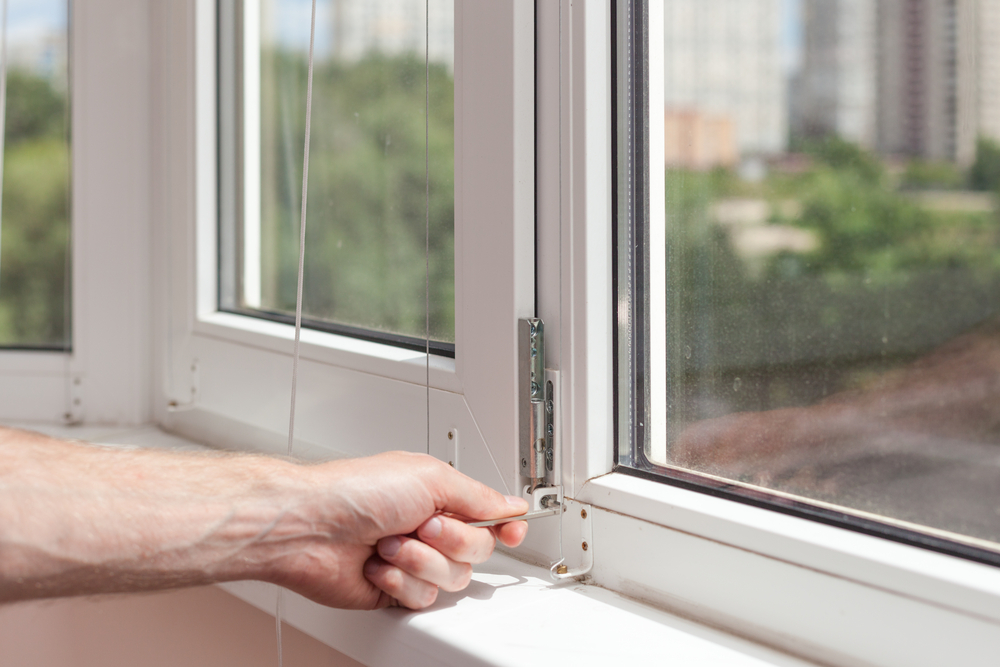
A retrofit window is a new window built to fit inside your existing window frame. The installer removes the old sashes and hardware, leaves the frame in the wall, and anchors, insulates and seals the new unit into that opening.
Because the trim, siding and interior walls stay put, retrofit replacement is usually faster and cheaper than tearing out the whole frame. The catch is that it only works well when the old frame is still solid, square and dry.
If you’re not sure whether your frames qualify, TurnKey Window can check them during a visit. Request a free estimate or call (504) 226-6201.
Key takeaways
- Retrofit, insert and pocket replacement all describe a new window set inside the existing frame.
- It’s quicker and less disruptive than full frame replacement, and This Old House cites $100 to $400 per insert window versus $180 to $1,500 for full frame.
- The old frame has to be structurally sound. Soft spots, rot or moisture damage point toward full frame instead.
- You’ll lose a little glass area, because the new unit sits inside the old frame.
- In homes built before 1978, paid window work that disturbs paint must follow EPA lead-safe rules.
What is a retrofit window
A retrofit window is installed inside the frame your old window already sits in. Marvin calls this insert replacement and explains that only the old sash, operating hardware and covers are removed and replaced, while the existing frame stays put.
Marvin also uses the terms “frame-in-frame replacement” and “pocket window” for the same approach, with the new unit anchored, insulated and sealed inside the old frame. Manufacturer retrofit instructions, such as International Window’s, are written around that same idea of fitting the new unit to the existing frame.
Two common retrofit styles
- Insert or pocket units: a complete window set into the old frame, then anchored, insulated and sealed, as Marvin describes.
- Flush fin retrofit units: used where the old frame sits in stucco or siding. According to International Window’s retrofit installation instructions, the flush fin lays flat against the existing frame and stucco and is sealed to the wall.
International Window explains why the old frame stays in on a flush fin job: it acts like a dam, diverting moisture that runs down behind the stucco or siding around the opening. Pulling it out would disturb the wall’s weather barrier.
How insert replacement works, step by step
Every manufacturer has its own instructions, and they come first. International Window’s retrofit guide gives a clear picture of the general sequence:
- Review the existing window. Identify the frame material and the wall type, since the sealant has to be compatible with both.
- Remove the sashes and rails. This exposes the narrowest point of the opening, called the daylight opening.
- Measure three times each way. Take the width at the top, middle and bottom and the height at the left, right and center, then use the smallest numbers.
- Order the unit. The instructions deduct 1/4 inch from the narrowest width and height to get the net frame size.
- Inspect the new window. Its sill track should hold water for 15 minutes without leaking to the interior.
- Prepare the surface. Scrape or sand rough texture where the fin will sit and clean out the old sill track.
- Test fit, then seal. Run a continuous bead of sealant where the fin meets the wall, leaving a 2 inch gap at each sill corner so moisture can escape.
- Set, shim and fasten. Level and plumb the window with shims, then screw it to the studs, with screws no more than 18 inches apart and about 6 inches from each corner. No screws go through the sill.
- Finish the joints. Seal the exterior edge of the fin, fill the gap between old and new frames with backer rod or insulation from inside, and cover it with trim.
Two small details from that list do most of the work in keeping water out: the open corners at the sill and the rule against drilling into it. Ask your installer how they handle both, and whether they test the sill track for leaks before the unit goes in.

Details that matter in a hot, wet climate
A few lines in the manufacturer instructions carry extra weight where rain and humidity are constant. These are worth raising with any installer:
- Sealant compatibility. International Window says the sealant must be compatible with both surfaces, giving PVC against stucco as an example.
- Aluminum isolation. The same instructions say aluminum products must be isolated from dissimilar or corrosive materials with a non-conductive coating or sealant to prevent electrolysis.
- Flashing on trim. Wood trim and plant-ons need special precautions, with metal flashing on any surface where water may not drain promptly.
- Insulating the gap. ENERGY STAR advises making sure the space between the window frame and the rough opening is insulated during installation.
- Storm ratings. International Window notes extreme weather can drive water into a home and recommends consulting a licensed engineer for a rating suited to local conditions.
ENERGY STAR also points out that some manufacturers will void the warranty if their installation instructions aren’t followed. That’s reason enough to ask which instructions your crew is working from.
Are retrofit windows any good
They’re a good choice in the right house. Marvin calls an insert a great option when you’re happy with the size, shape and operating style of your current windows and the frames are sound.
Where retrofit shines
- Less disruption. Marvin notes that existing trim and siding aren’t disturbed, so installation is quicker.
- Lower cost. This Old House and Marvin both describe insert replacement as the less expensive route.
- Protects exterior details. This Old House says it suits homes where you want to keep brick, stucco or historic trim intact.
- Faster days. Marvin says a professional crew can typically complete several insert replacements in a single day.
Where it falls short
- Smaller glass area. This Old House notes inserts slightly reduce the glass area because the new window fits inside the old frame.
- Old leaks can stay. Marvin says any pre-existing air leaks in the original frame may persist, even though efficiency can still improve meaningfully over single-pane glass.
- No size or style changes. Marvin frames inserts as the fit when you’re happy with the existing size, shape and operating style, and says full frame is what gives you the flexibility to change them.
- Hidden damage stays hidden. Because the frame stays, rot or water damage behind it isn’t exposed the way it is in a full tear-out.
When a retrofit is right for an older home
Older homes are where the frame check matters most. Marvin suggests watching for soft spots, visible rot, moisture damage or peeling paint around the window, and says those signs likely point to a problem with the window or the structure around it.
Here’s a quick way to sort your windows before a contractor visits:
| What you see | What it suggests |
|---|---|
| Frame is firm, square and dry, and you like the window’s size and style | Good candidate for retrofit |
| Soft wood, rot at the sill or peeling paint around the frame | Likely needs full frame so the damage can be repaired |
| Frame is warped or out of square | This Old House warns an insert may not seal properly |
| Existing windows are vinyl | Marvin says inserts usually aren’t an option, as vinyl frames often lack the structure |
| You want a bigger opening or a different style | Full frame |
Marvin also points out you don’t have to use one method for the whole house. Some windows can take inserts while others need full frame replacement.
Lead-safe work in pre-1978 homes
Older window frames are usually painted, and pulling sashes and stops disturbs that paint. The EPA’s Renovation, Repair and Painting Rule requires anyone paid to disturb painted surfaces in homes built before 1978 to be certified, with workers trained in lead-safe work practices.
The EPA estimates that about three-quarters of U.S. homes built before 1978 still contain some lead-based paint, and it recommends that homeowners hire a lead-safe certified contractor for this kind of project. Ask for the firm’s certification before work starts, and keep a copy with your project paperwork.
Are retrofit windows more expensive
No, they’re usually the cheaper method. This Old House, citing Angi estimates, puts insert or pocket windows at $100 to $400 each and full frame replacement at $180 to $1,500 per window, depending on size, material and style.
HomeGuide gives a broader view of whole-window pricing, at $450 to $1,500 per window installed on average. It notes pocket replacement is common when the new window is the same size and style as the old one.
The savings can shrink if the frame turns out to need work. This Old House warns that when the existing structure is compromised, a lower upfront cost may come at the expense of durability and long-term performance. For more on budgeting, see our guide on how much to budget for new windows.
A note on doing it yourself
This Old House says DIY is generally only practical for one or two easy ground-floor windows, and that professional installation may be required to keep manufacturer warranties. Upper-floor work belongs with a crew that has the right ladders or scaffolding.
International Window’s instructions assume working knowledge of AAMA installation methods, local codes, sealants and glass handling. If that list doesn’t describe you, it’s a sign to hire the job out.
Frequently asked questions
What is a retrofit window?
A retrofit window is a replacement unit installed inside your existing window frame after the old sashes and hardware are removed. It’s also called an insert, pocket or frame-in-frame replacement.
Are retrofit windows any good?
They perform well when the existing frame is structurally sound and you’re keeping the same size and style. If the frame is rotted, warped or vinyl, full frame replacement is usually the better choice.
Are retrofit windows more expensive?
They’re usually less expensive. This Old House cites $100 to $400 per insert window compared with $180 to $1,500 for full frame replacement, based on Angi estimates.
Do retrofit windows reduce the glass area?
Yes, slightly. Because the new unit fits inside the old frame, This Old House notes the visible glass area shrinks a little compared with a full frame replacement.
Find out if your frames can take an insert
The quickest way to know is to have someone press on the sills, check for square and look behind the trim where they can. Our window replacement service handles both retrofit and full frame jobs, and our window installation page explains how we set new units.
Book a free estimate or call (504) 226-6201.
Related reading
- Why Replace Your Windows: The Top 5 Signs It’s Time for an Upgrade
- How Much Should I Budget for New Windows
Sources
- Marvin: Insert vs Full Frame Window Replacement
- This Old House: Full-Frame vs Insert Window Replacement
- International Window: Retrofit Window Installation Instructions
- ENERGY STAR: Residential Windows, Doors and Skylights
- EPA: Renovation, Repair and Painting Program
- HomeGuide: Window Replacement Cost