
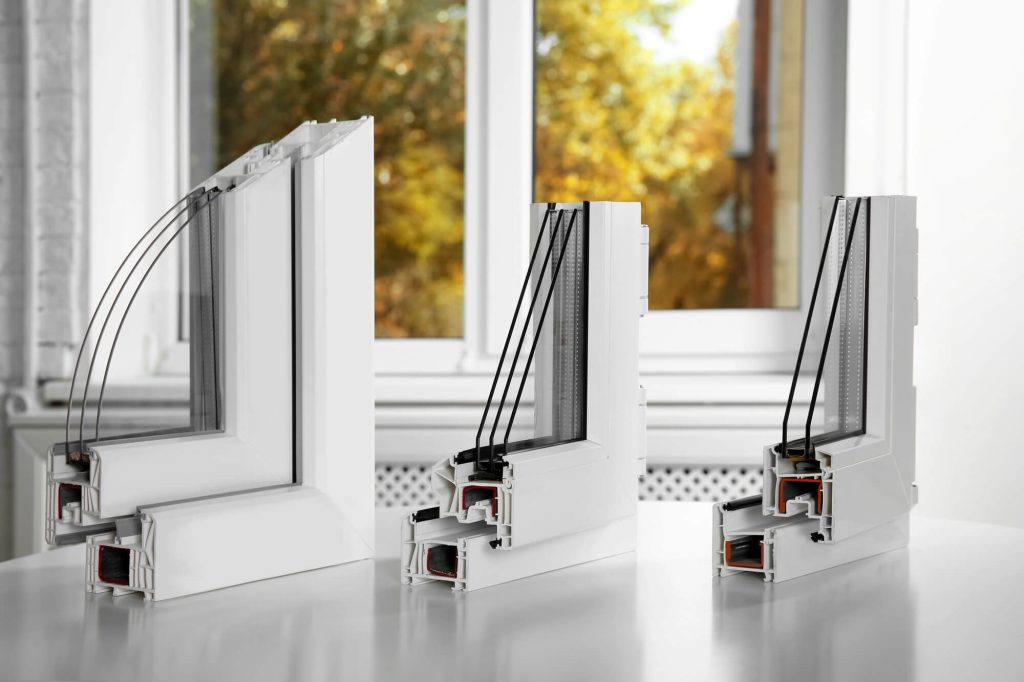
In a warm climate, double-pane windows with the right low-e glass are usually the better value, and triple pane makes sense mainly for noise or special cases. Pella says that in moderate or warmer climates, many homeowners find double-pane windows provide enough insulation and energy performance. Triple pane costs more and weighs more, and its biggest advantage, holding heat in during long winters, matters less on the Gulf Coast.
What decides comfort in a hot, sunny house is how well the glass blocks solar heat, and a good double-pane unit can do that very well. This guide lays out the numbers so you can decide whether a third pane earns its keep on your home.
At TurnKey Window, we install replacement windows across the New Orleans area. For advice on your own openings, use our contact page or call (504) 226-6201.
Key takeaways
- Pella puts double-pane windows at about R-3 to R-5 and triple-pane at about R-6 to R-9.
- Triple pane typically costs about 10 to 15 percent more than a comparable double-pane window, according to Pella.
- Triple-pane windows are significantly heavier, which can mean extra structural considerations during installation.
- In hot climates, solar heat gain matters more than insulation, so a low SHGC is the number to watch.
- ENERGY STAR’s Southern zone requires a U-factor of 0.32 or lower and an SHGC of 0.23 or lower, which double-pane units can meet.
- Triple pane can help if street noise is your main complaint.
How double and triple pane windows differ
Pella describes a double-pane window as two panes of glass separated by an insulating space, and a triple-pane window as three layers of glass with insulating gas between each pane. That extra layer adds another barrier to heat moving through the glass.
The gas inside matters too. The Efficient Windows Collaborative explains that filling the space between panes with argon or krypton instead of air boosts efficiency, because both gases are denser than air. In warm climates, it says, gas fills help keep outside heat from coming in.
| Feature | Double pane | Triple pane |
|---|---|---|
| Layers of glass | Two | Three |
| Approximate R-value (Pella) | R-3 to R-5 | R-6 to R-9 |
| Price per window (Efficient Windows Collaborative) | $385 to $850 | $550 to $3,550 |
| Price difference (Pella) | Baseline | About 10 to 15 percent more |
| Weight | Lighter | Significantly heavier |
| Best fit | Moderate and warm climates | Cold climates and high-noise areas |
Why a warm climate changes the math
Louisiana’s energy code places every parish in Climate Zone 2A, the warm humid zone. A U.S. Department of Energy Building America case study of a New Orleans home says intense solar radiation there imposes a large thermal load that can raise cooling costs and affect comfort.
A third pane mostly improves insulation, measured by U-factor. In a sunny, hot climate, the bigger job is blocking solar heat, measured by the solar heat gain coefficient, and that depends mainly on the low-e coating.
The Efficient Windows Collaborative makes the same point about frames: in hot climates, improving insulation matters less than using a higher-performance glazing system, because solar gain typically outweighs heat conducted through the window. A double-pane unit with the right coating goes a long way.
What ENERGY STAR asks for in the South
The Building America Solution Center lists ENERGY STAR’s Southern region requirements as a U-factor of 0.32 or lower and an SHGC of 0.23 or lower. It also notes that a U-factor of 0.20 or lower likely indicates a triple-pane window, and it recommends considering triple pane particularly in cold climates.
So a double-pane window can meet the Southern zone standard, while triple pane pushes U-factor well beyond what the South requires. Whether that extra margin is worth paying for depends on your priorities.
What are the disadvantages of triple pane windows
Triple pane has clear benefits, but the drawbacks weigh more heavily in a warm climate. Here’s what to consider.
- Higher cost. Pella estimates triple pane at about 10 to 15 percent more than a comparable double-pane unit, and the Efficient Windows Collaborative’s ranges run up to $3,550 per window.
- More weight. Pella says triple-pane windows are significantly heavier and may require additional structural considerations during installation.
- Smaller payoff in the South. Pella notes many homeowners in moderate or warmer climates find double pane sufficient, and the Building America Solution Center points triple pane mainly at cold climates.
- Heavier sashes to operate. More glass means more weight in each moving sash, so ask how the balances and hardware are sized.
The extra weight is also a safety point. Heavy insulated glass units are awkward to handle, especially on upper floors, so leave setting any sash or glass unit, double or triple, to an experienced crew rather than tackling it from a ladder yourself.
When triple pane can still make sense
A warm climate doesn’t rule out triple pane. It just narrows the reasons to buy it. These are the cases where the upgrade can pay its way.
- Street noise. Pella says triple pane provides additional sound reduction, and the Efficient Windows Collaborative notes triple glazing can help block more exterior noise.
- Long ownership. Pella suggests triple pane can be worth it if you plan to stay long-term and want maximum comfort.
- Specific product ratings. If a triple-pane line also carries a low SHGC, you get both benefits.
- Thin triple-pane units. The Efficient Windows Collaborative cites a DOE study finding thin triple-pane windows can increase a home’s window energy performance by 40 percent, which may ease the weight concern in some frames.
What the upgrade costs on a real project
Percentages are easier to judge when you put them against a whole-house quote. Using Pella’s estimate that triple pane runs about 10 to 15 percent more than comparable double pane, here’s how the premium scales.
- On a $6,000 double-pane project, triple pane would add roughly $600 to $900.
- On a $10,000 project, it would add roughly $1,000 to $1,500.
- On a $15,000 project, it would add roughly $1,500 to $2,250.
The Efficient Windows Collaborative’s per-window ranges show how wide the spread can get: $385 to $850 for double glazing and $550 to $3,550 for triple. Premium triple-pane units can cost several times more than a basic double-pane window, so always compare quotes on the same frame and coating.
If you’re replacing single-pane windows
If your home still has single-pane glass, the jump to double pane is the big win. The Efficient Windows Collaborative says single-glazed windows offer limited thermal efficiency compared with double or triple glazing.
ENERGY STAR says replacing single-pane windows with ENERGY STAR certified windows lowers household energy bills by an average of up to 13 percent nationwide. That figure compares single-pane windows with certified units, and certified double-pane windows qualify in the Southern zone.
Condensation, humidity and your glass
Humidity adds another angle. The Building America case study of a New Orleans home notes that because air conditioning is installed in most new homes, cold surfaces are present where condensation can occur, and that the ambient air carries significant moisture most of the year.
The NFRC label can include a condensation resistance rating on a scale of 0 to 100, where higher is better, according to ENERGY STAR. If you’ve had fogging or moisture on your glass, ask to see that number when you compare double and triple pane options.
How to choose the right glass for a warm climate
- Start with SHGC. Look for 0.23 or lower to meet ENERGY STAR’s Southern zone requirement.
- Check U-factor. Aim for 0.32 or lower; you don’t need triple pane to get there.
- Ask about the low-e coating. The Efficient Windows Collaborative says hot-climate coatings are designed to block heat from coming in.
- Confirm the gas fill. Argon is the popular and affordable choice, while krypton performs better at a higher cost, according to the collaborative.
- Look at visible transmittance. A higher VT means more daylight, typically between 0.20 and 0.80 per ENERGY STAR.
- Weigh noise separately. If traffic noise is a problem, price triple pane on the noisy side of the house only.
Mixing glass packages by elevation is a practical approach. You might use double pane on quiet, shaded walls and save triple pane for a bedroom that faces a busy street.
How long the gas and seals last
Gas fills don’t vanish overnight. The Efficient Windows Collaborative says the leakage rate for an efficient window is about 0.5 percent of the gas fill per year, and that after two decades such a window would still perform at 90 percent of its original capacity.
That applies to double and triple pane alike. Installation matters for any sealed unit, and ENERGY STAR advises following the manufacturer’s installation instructions and properly insulating the space between the frame and rough opening.
Frequently asked questions
What are the disadvantages of triple pane windows?
Cost and weight are the main ones. Pella says triple pane typically costs about 10 to 15 percent more than comparable double pane and is significantly heavier, which may require added structural considerations during installation.
Are triple pane windows worth the extra money?
In a warm climate, often not for energy alone. Pella notes many homeowners in moderate or warmer climates find double pane sufficient, though triple pane can be worth it for noise reduction or long-term comfort.
Do double pane windows meet ENERGY STAR in the South?
They can. The Southern zone calls for a U-factor of 0.32 or lower and an SHGC of 0.23 or lower, and the Building America Solution Center says a U-factor of 0.20 or lower likely indicates triple pane, well beyond that requirement.
Do triple pane windows reduce noise?
They can help. Pella says triple pane provides additional sound reduction over double pane, and the Efficient Windows Collaborative notes triple glazing can block more exterior noise.
Is double pane glass enough for a hot, humid climate?
For most homes, yes. Choose a double-pane unit with a hot-climate low-e coating and an SHGC of 0.23 or lower, and it can meet ENERGY STAR’s Southern zone requirements without a third pane.
Pick the right glass for your home
The best glass package depends on your sun exposure, noise and budget. Request a free estimate through our contact page or call (504) 226-6201, and we’ll recommend options for each wall of your house as part of our window replacement service. For more on the ratings, read what makes a window energy-efficient.
Related reading
Sources
- Pella: Triple pane vs double pane windows
- Efficient Windows Collaborative: Window glazing
- Efficient Windows Collaborative: Gas fills
- Efficient Windows Collaborative: Low-e coatings
- Efficient Windows Collaborative: Metal frame types
- Building America Solution Center: High-performance ENERGY STAR windows
- ENERGY STAR: Independently tested and certified energy performance
- ENERGY STAR: Residential windows, doors and skylights
- Louisiana Energy Code 2021, Chapter 3 general requirements
- U.S. Department of Energy Building America: New Orleans Green Dream I case study