
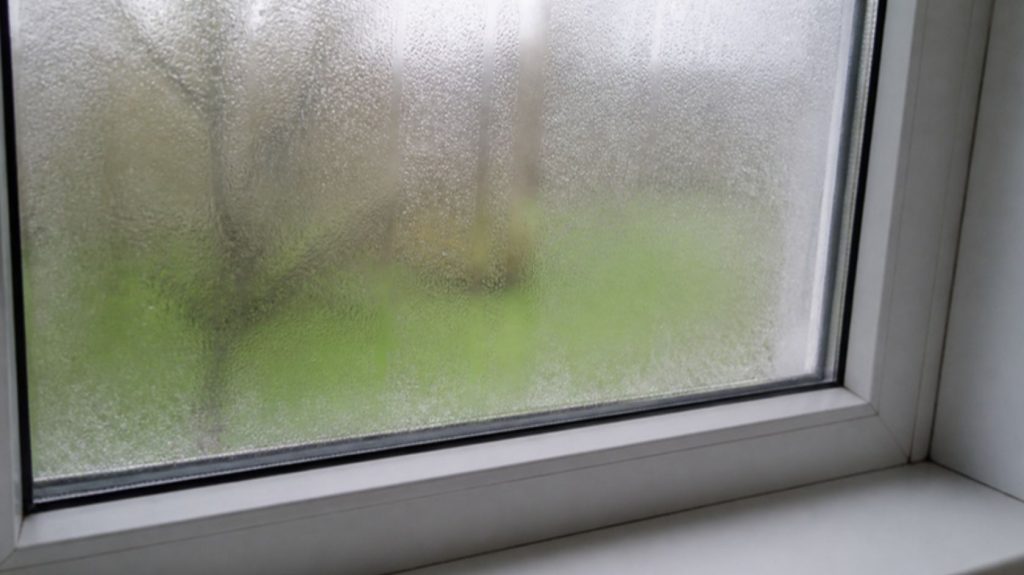
Foggy windows that you can’t wipe clean from either side almost always mean the seal on a double pane glass unit has failed. Andersen puts it plainly: condensation between the two panes is a sign the seal has failed, and once it starts, you can’t stop it from forming.
The fix is replacing the sealed glass unit, the sash or the whole window, depending on the frame and the window’s age. Defogging kits can clear the haze for a while, but they don’t bring back the insulating value you lost.
At TurnKey Window we’ll check whether your fog is inside the glass or just on it, and tell you which repair fits. You can book a free consultation online or call (504) 226-6201.
Key takeaways
- Fog on the inside or outside surface is ordinary condensation. Fog between the panes means the seal has failed.
- A failed seal lets the insulating gas leak out and moist air seep into the glass unit.
- Defogging kits remove moisture but don’t restore the window’s energy performance.
- If the frame is sound, replacing just the insulated glass unit is usually the cheapest real fix.
- Older or discontinued windows may have no matching glass unit, which moves you to a new sash or window.
First, find out where the fog is
Not all foggy glass is a failed window. Andersen explains that where condensation forms is the key to knowing whether it’s a problem, and there are three places it can show up.
| Where the fog is | What it means | What to do |
|---|---|---|
| Inside surface, room side | Indoor humidity is high. Andersen says this isn’t a fault in the window | Lower indoor humidity with exhaust fans and ventilation |
| Outside surface | Dew, the same as wet grass in the morning. Andersen calls it a sign the outer pane is well insulated from indoor heat | Nothing. It clears as the sun warms the glass |
| Between the panes | The seal on the insulated glass unit has failed | Replace the glass unit, the sash or the window |
A quick test you can do
- Wipe the inside surface with a dry cloth. If the fog comes off, it was on the room side.
- Step outside and wipe the exterior surface the same way.
- If the haze is still there after both, it’s trapped between the panes.
- Look again on a sunny afternoon. Failed units often show a milky film or streaks that stay even when the glass is dry.
Use a sturdy step stool rather than stretching from a chair, and leave second story glass to someone with the right ladder and footing.
Why double pane seals fail
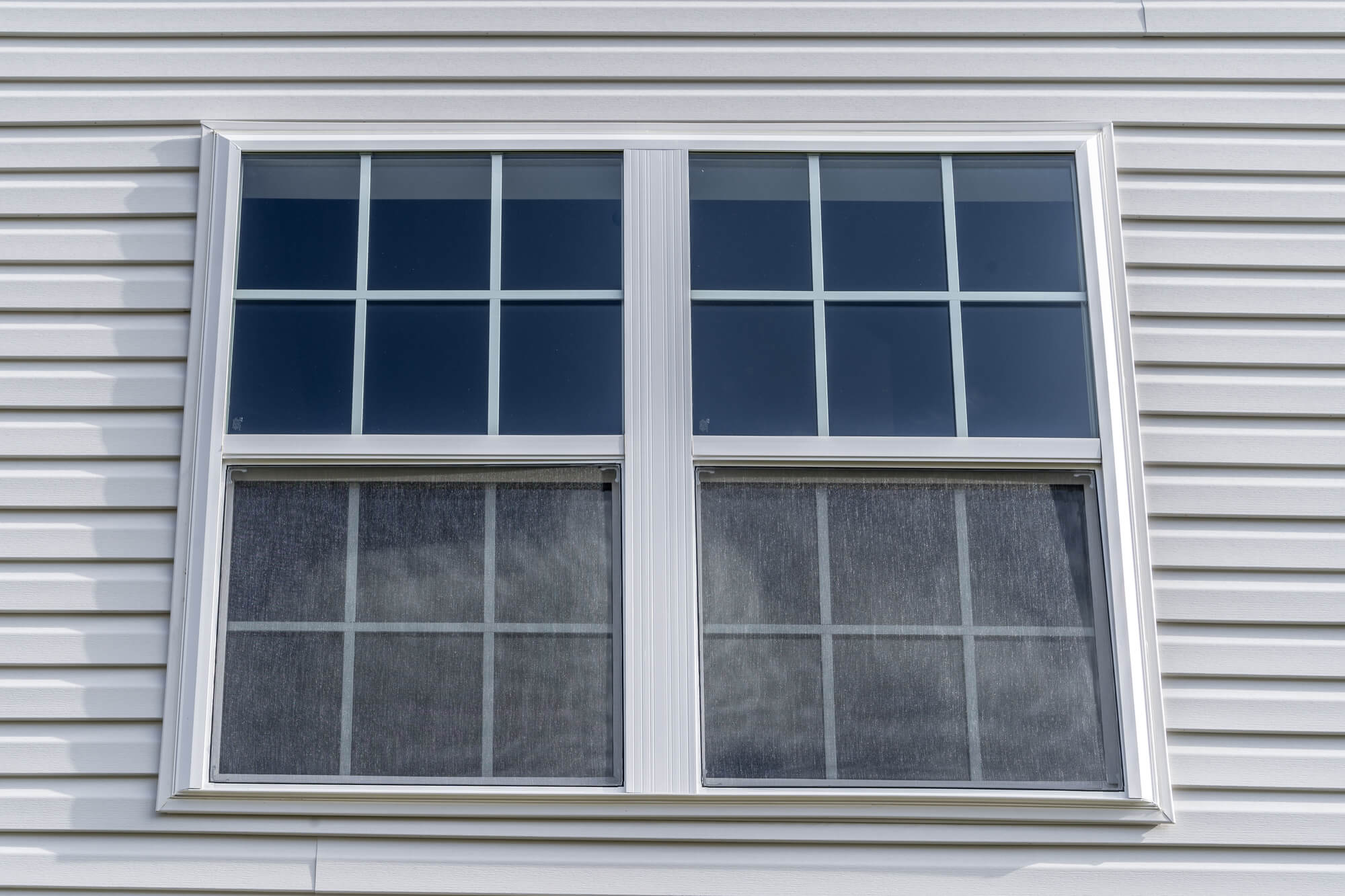
A double pane window is really a sealed package: two sheets of glass, a spacer around the edge and a seal holding it all airtight. SoftLite, a window manufacturer, notes that many units are filled with gas between the panes to add insulation.
When the seal fails, SoftLite says that gas slowly leaks out and moisture and air seep into the unit. That moisture is what you see as fog.
- Manufacturing and installation problems. SoftLite names these as two of the biggest causes.
- Age and wear. Even a well built, well installed window’s seal can wear down over the years.
- Stress on the glass. SoftLite lists a distorted or bent pane among the signs of seal failure, as air leaks through the faulty seal.
What a failed seal costs you
The fog is the part you notice, but performance is the bigger loss. Andersen says a window that has lost its seal is less energy efficient, and SoftLite notes the gas that added insulation is the part that escapes.
- The view gets hazier over time as moisture and residue build up inside.
- The glass unit no longer insulates the way it was built to.
- You can’t clean or dry the inside of a sealed unit without opening it.
Andersen also notes that too much condensation can make paint peel on a window’s sash and damage the frame. That’s a reason to deal with ongoing surface condensation as well as fog between the panes.
Your repair options, from smallest to largest
There are four realistic ways to handle foggy double pane glass. The right one depends on the frame, the age of the window and whether a replacement unit exists.
1. Defogging
SoftLite says DIY defogging kits come with tools and instructions and remove the moisture from inside the window. It’s clear about the limit: they don’t restore the energy efficiency of a double or triple pane unit.
SoftLite also warns that DIY defogging or glass unit replacement is rarely simple, and a mistake can break or damage the window. If you care mainly about looks on a window you plan to replace soon anyway, defogging can buy time.
Keep your expectations modest. A defogged unit may look clearer, but by SoftLite’s account it won’t insulate the way a new unit does, so you’re paying for appearance and not for performance.
2. Replace the insulated glass unit
This swaps the sealed glass package and keeps your existing sash and frame. HomeGuide puts double pane glass replacement at $300 to $800 and triple pane at $500 to $1,200.
It’s the most common real fix when the frame is in good shape. This Old House notes that modern double and triple pane windows usually need the entire sealed unit replaced rather than a single pane.
3. Replace the sash
HomeGuide warns that if a seal fails on an older or discontinued window, compatible replacement glass may not be available. In that case a new sash, the movable part that holds the glass, can be the next step when the frame is still sound.
4. Replace the window
Andersen’s view is that fog between the panes signals a window that’s no longer performing well, and replacement is the ideal fix. That’s most true when several windows are fogging at once, the frames are worn, or the windows are old enough that other parts are failing too.
HomeGuide puts full window replacement at $450 to $1,500 per window on average. It also notes glass only replacement usually runs 30 to 70 percent less when the frame is in good condition.
What a glass unit replacement looks like
Replacing a fogged unit is usually a two visit job, because the new glass is made to measure. Knowing the steps helps you plan around it.
- Inspection and measuring. The installer confirms the fog is between the panes, checks the frame and sash, and measures the glass. HomeGuide recommends letting a professional take final measurements, since custom glass often can’t be returned.
- Ordering. HomeGuide says custom glass can take 2 to 6 weeks to fabricate. This is a good time to decide whether you want low E glass or a gas fill in the new unit.
- Removal. The stops or glazing beads holding the old unit are taken off, and the fogged glass comes out. Most contractors include disposal of the old glass in the quote, according to HomeGuide.
- Installation. The new unit is set, sealed and secured, and the stops go back on. HomeGuide puts the install at 1 to 3 hours per window.
- Final check. The window should open, close and lock the same way it did before, with no gaps around the new glass.
Ask for the size, glass type and any coatings on the new unit in writing. If you fix another window later, you’ll know exactly what to match.
How to choose between new glass and a new window
Check a few practical things about the window before you pick a fix. The answers usually point one way.
- The frame. Push on the sill and corners. Soft wood or cracked vinyl means new glass is a poor investment.
- How it operates. A window with stuck sashes or broken balances has more than a glass problem.
- How many are fogging. One unit is a repair. Several at once often points to windows reaching the end of their service life.
- Any warranty. SoftLite suggests checking with your installer or manufacturer first, since a covered unit may be repaired or replaced under its terms.
- Parts availability. For older or discontinued models, a matching glass unit may no longer be made.
If you’d like a second set of eyes, our window repair service covers foggy glass and stuck sashes. When the frame is too far gone, our window replacement page explains the next step.
Keeping surface condensation under control
Fog on the room side of the glass isn’t a window failure, but it’s worth managing. Andersen explains that it forms because indoor humidity is too high, from everyday things like cooking, showering, laundry and breathing.
- Run bathroom and kitchen exhaust fans while you shower and cook.
- Vent the clothes dryer outdoors.
- Check your humidity. Andersen suggests aiming for 30 to 35 percent indoor humidity in winter, and a hygrometer is an inexpensive way to measure it.
Andersen also notes that condensation is more common where January averages 35°F or colder. In a warm, humid place, you’re more likely to see exterior dew on cool mornings, which clears on its own.
Frequently asked questions
Why are my double pane windows foggy between the glass?
The seal around the glass unit has failed. SoftLite explains that the insulating gas leaks out and moist air seeps into the unit, and that moisture shows up as fog you can’t wipe away.
Can foggy double pane windows be fixed without replacing the window?
Often, yes. If the frame is sound, the insulated glass unit can be replaced on its own, which HomeGuide prices at $300 to $800 for double pane glass.
Do window defogging kits work?
They can clear the moisture, but SoftLite says they don’t restore the energy efficiency of a double or triple pane unit. They’re a cosmetic stopgap rather than a repair.
Is condensation on the outside of my windows a problem?
No. Andersen describes exterior condensation as dew and says it’s a sign the outer pane is well insulated from the heat indoors, and it clears once the sun warms the glass.
How long does it take to fix a foggy window?
The install itself takes about 1 to 3 hours per window, according to HomeGuide. The wait is usually for the glass, since custom units can take 2 to 6 weeks to make.
Clear up your foggy windows
A fogged unit won’t clear itself, and the longer it sits, the more residue builds inside. Contact TurnKey Window for a free consultation, or call (504) 226-6201 and we’ll tell you whether new glass or a new window makes more sense.