
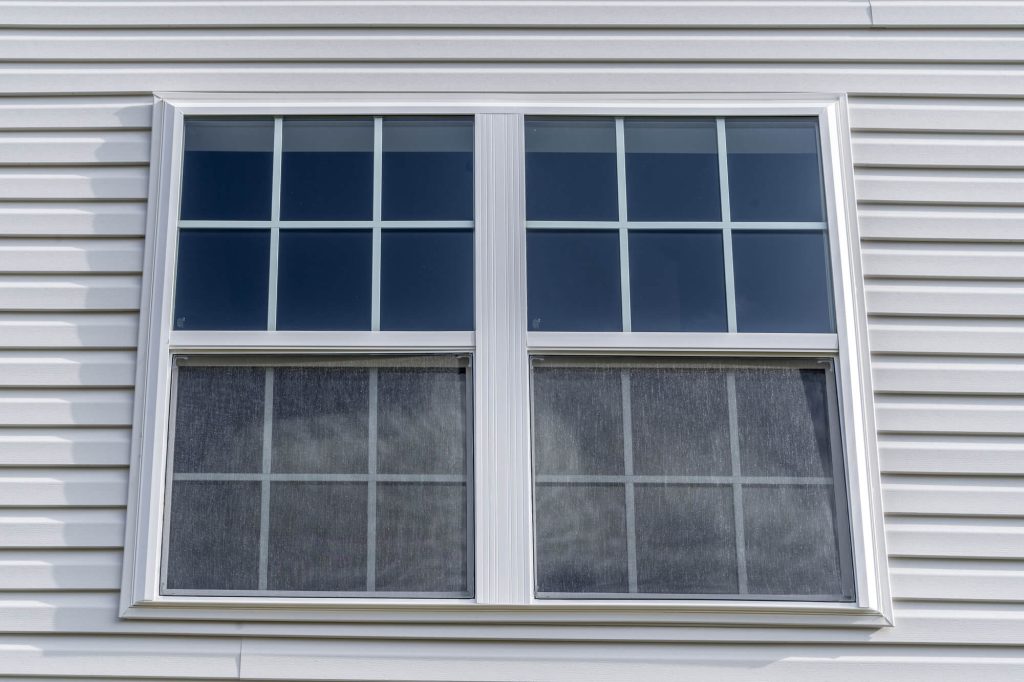
To measure for a replacement window, you take three width readings and three height readings inside the existing frame, keep the smallest of each, and round down to the nearest 1/8 inch. Andersen and Pella both teach this method, and both have you measure from inside the house. You’ll also check that the frame is square and deep enough for an insert.
A tape measure, a pencil and ten minutes per window will get you a solid set of numbers for budgeting and comparing quotes. Before anything gets ordered, though, have a professional confirm them. The team at TurnKey Window measures every opening in person, and you can book that visit through our contact page or by calling (504) 226-6201.
Key takeaways
- Measure from inside the house, from the inside of one jamb to the inside of the other.
- Take widths at the top, middle and bottom, and heights at the left, center and right.
- Use the smallest width and the smallest height, rounded down to the nearest 1/8 inch.
- Check squareness with two diagonal measurements before you trust any other number.
- An insert window needs at least 3 1/4 inches of jamb depth.
- Full-frame replacements need a professional measurement before ordering, according to Andersen.
What you need before you start
You don’t need special tools. This Old House lists a measuring tape, paper, a pen or pencil and a calculator, and Andersen suggests having a helper for large windows.
- A locking steel tape measure
- A notepad with a simple sketch of each window
- A pencil, plus a calculator for comparing diagonals
- A helper for tall or wide openings
- A label for each window, like “kitchen left” or “front bedroom 1,” so numbers don’t get mixed up
Take down blinds and curtains first so you can reach the jambs and sill. You’ll be measuring from inside, so there’s no need to climb outside on a ladder for upstairs windows.
Insert or full-frame: know which one you’re measuring for
The numbers you take depend on how the new window will go in. Your own measurements are most useful for an insert, which fits inside the existing frame. A full-frame replacement removes the old frame, so it’s sized to the rough opening in the wall, and that’s a job for a pro with the trim off.
| Replacement type | What gets measured | Who should measure for the order |
|---|---|---|
| Insert | Inside the existing frame, jamb to jamb and head to sill | You can measure for planning; a pro confirms before ordering |
| Full-frame | The rough opening once the old frame and trim come off | A professional, per Andersen’s guidance |
| Out-of-square frame | Diagonals first, since a large gap rules out a standard insert | A professional assessment |
If you’re still deciding between the two approaches, our window replacement page explains how each one works and when a frame needs to come out.
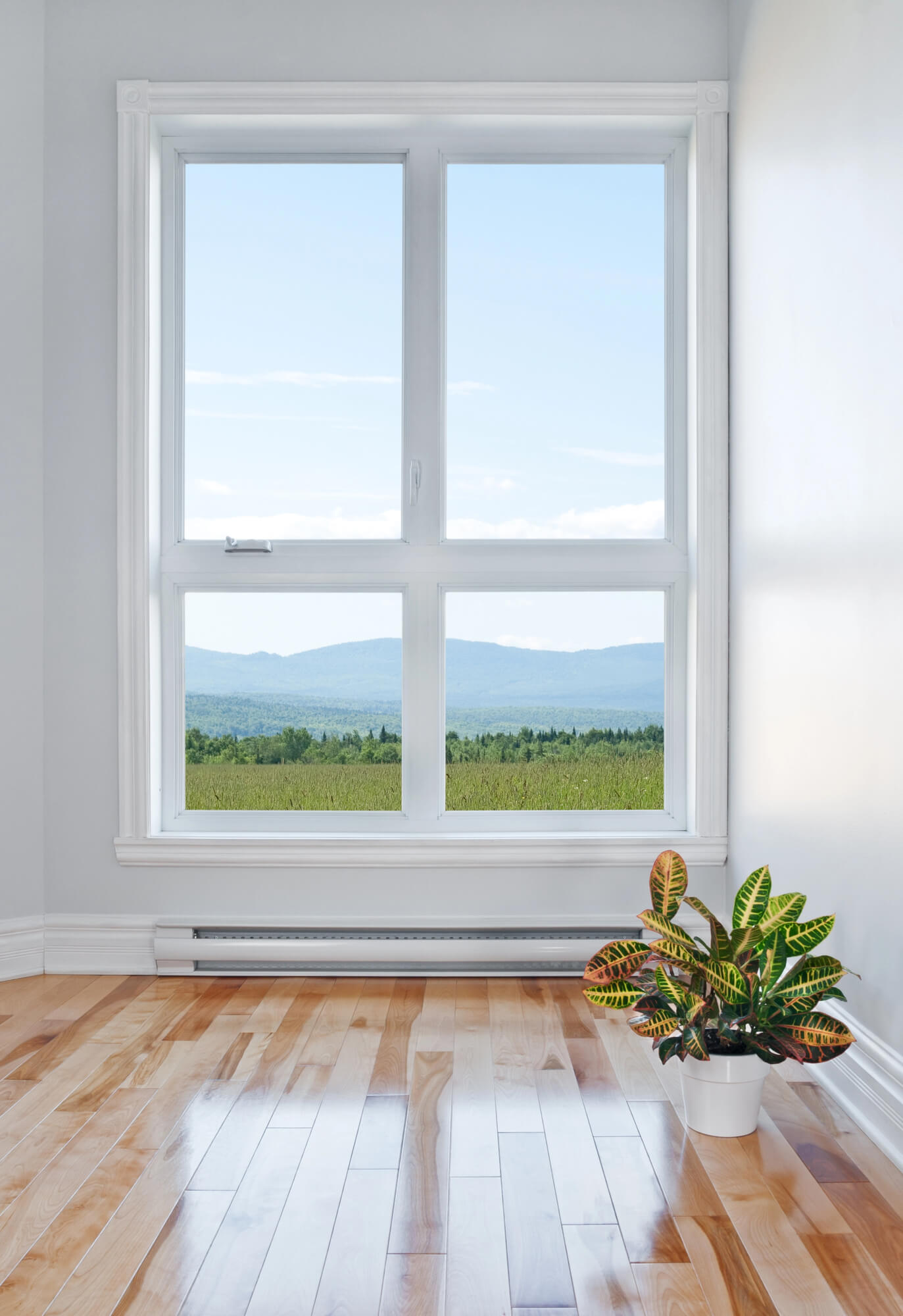
How to measure a replacement window, step by step
These steps follow the published guidance from Andersen, Pella and This Old House. Work one window at a time and write each number down before moving to the next.
- Check the frame for square. From inside, measure diagonally from the upper left corner, where the head meets the side jamb, to the lower right corner. Then measure upper right to lower left. Andersen says the two numbers should be within 1/8 inch of each other.
- Measure the width in three places. Measure from the inside of one side jamb to the inside of the other at the top, the middle and the bottom. Andersen says to measure drywall to drywall if the window has no trim.
- Keep the smallest width. Pella says to record the shortest measurement, and Andersen says to round down to the nearest 1/8 inch.
- Measure the height in three places. Measure from the head, which is the top of the frame, down to the sill on the left, in the center and on the right.
- Keep the smallest height. Round it to the nearest 1/8 inch, as Andersen recommends, and Pella notes this ensures the new window will fit.
- Measure the depth. Open the window and measure the sill from the back of the trim to the front. This Old House and Andersen both put the minimum at 3 1/4 inches for an insert.
- Record it as width by height. This Old House notes that width by height is the standard ordering convention, so a note reading 34 1/2 x 58 3/8 means 34 1/2 inches wide.
Why the smallest number wins
An opening isn’t always the same size from top to bottom, and the new window has to clear its tightest spot. This Old House explains that the smallest measurement represents the true window opening width.
That’s why every guide here has you keep the tighter number and round down, rather than averaging your readings.
Mistakes that lead to a window that doesn’t fit
Most sizing problems come from measuring to the wrong surface. Pella warns that measuring only to the sash stops and the interior trim of the sill will leave you with a new window that’s too small.
- Measuring to the stops. Sash stops are the small strips that hold the sliding sash in place. Measure past them to the jamb itself.
- Measuring casing to casing. The decorative trim on the wall isn’t the opening. Stay inside the frame.
- Taking only one reading. One width and one height can miss a pinch point. Take all six.
- Rounding up. Guides from Andersen and This Old House both say to round down.
- Skipping the diagonals. An out-of-square frame changes the whole plan, and you’ll want to know that before you order.
- Mixing up windows. Two windows that look identical may not measure the same, so label each one.
Set up a simple measuring sheet
A tidy record saves you from re-measuring later and makes it easy to compare quotes line by line. Give each window its own row, and fill in every column before moving on.
- Window name and room, matching the label you used
- Style, such as double hung, casement or slider
- Top, middle and bottom widths, with the smallest circled
- Left, center and right heights, with the smallest circled
- Both diagonals and the difference between them
- Jamb depth, plus notes on rot, sticking sashes or damaged trim
Bring that sheet to your estimate. It gives the installer a head start, and it shows you right away if any of their numbers differ from yours by more than you’d expect.
What your diagonal check is telling you
The two diagonal numbers tell you whether the frame is a rectangle or has racked out of shape. Andersen uses 1/8 inch as its test for square. This Old House uses a looser quarter-inch test and suggests considering new construction windows if the difference is larger than that.
Andersen explains the practical meaning: a square window may qualify for an insert replacement, which costs less and preserves your trim, while an out-of-square window needs full-frame replacement and a professional assessment. So if your diagonals are far apart, stop there and call for an inspection.
Signs to look for while you measure
- Soft or spongy wood at the sill or lower jambs
- Sashes that stick, bind or won’t stay up
- Gaps between the frame and the wall you can see light through
- Peeling paint or dark staining where water runs off the glass
Any of these can point to damage behind the trim. They don’t change how you measure, but they’re worth pointing out to your installer, since Marvin notes that an insert, which fits inside the existing frame, is only an option when that frame is structurally sound.
Measuring older and custom-shaped windows
Older homes often have tall, narrow or arched openings that don’t fit a standard size chart. The six-measurement method still applies to the rectangular part of the frame, but arches, circles and other shapes are best measured by a professional so the curve is captured correctly.
If your house has unusual openings, our page on custom windows covers the shapes and styles we can match.
Andersen also reminds buyers to check local building codes for things like tempered glass, egress windows and coastal performance standards. Those requirements can affect what you order for a given opening, so mention bedrooms, bathrooms and windows near doors to your installer.
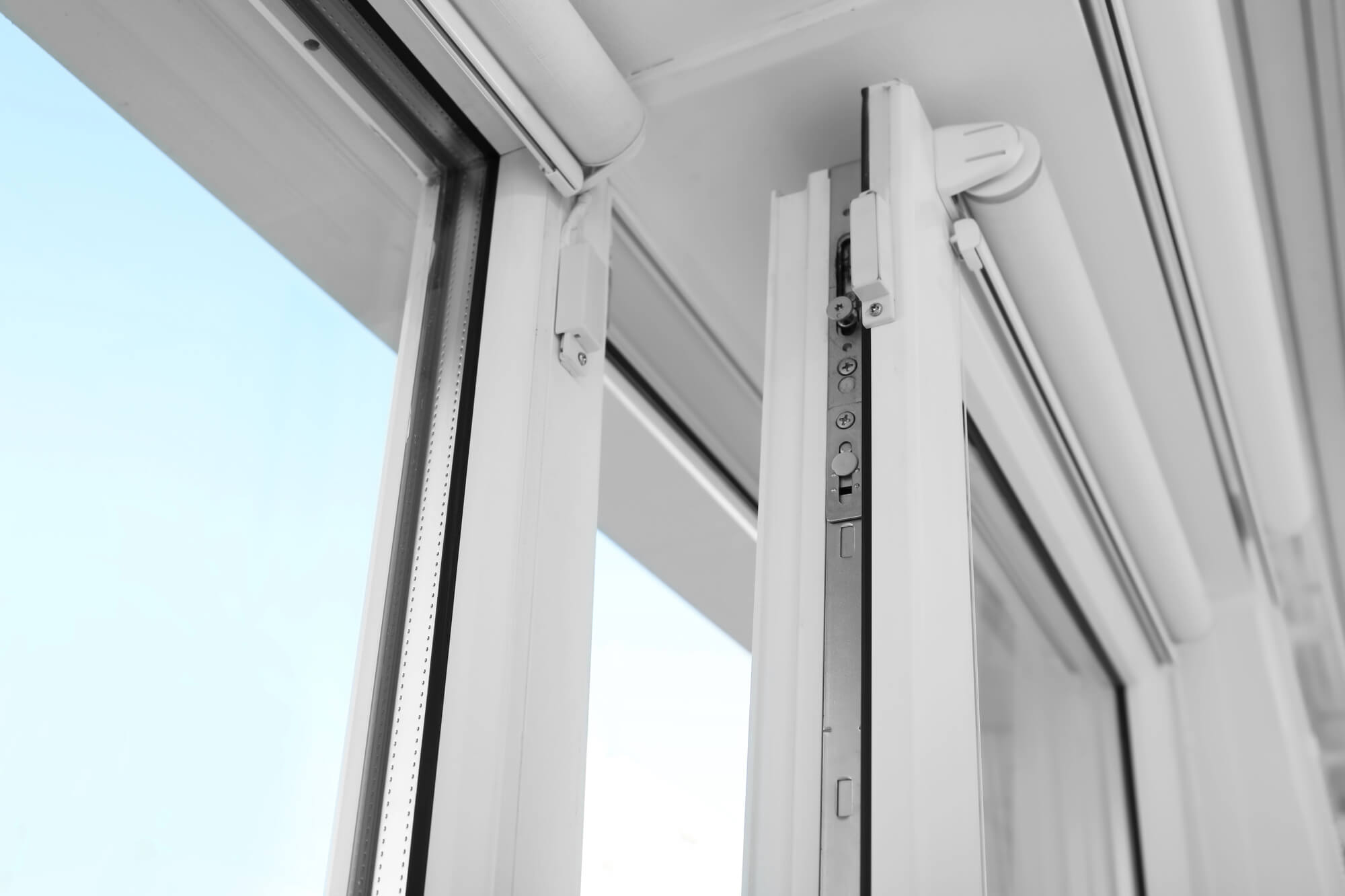
When to leave measuring to a professional
Your own measurements are useful for rough budgeting and for checking a quote. They shouldn’t be the numbers that go on a custom order, because custom windows are built to the exact size you give, and a wrong number means a window that doesn’t fit the opening.
- Any full-frame replacement, which Andersen says needs professional measurement before ordering
- Frames that fail the diagonal check
- Arched, round or odd-shaped windows
- Bay and bow windows, which are assemblies of several units
- Windows you can’t reach safely from inside
At TurnKey Window, the team comes to your home, looks at the actual windows and gives you a number on the spot, so a professional measure is part of the estimate visit rather than a separate appointment.
Frequently asked questions
Do you measure a window from the inside or outside?
Measure from the inside. Pella says to take all measurements from inside the home, and Andersen’s diagonal, width and height steps are all done from the interior.
How do I know my window size?
Measure the width jamb to jamb at the top, middle and bottom, and the height from head to sill at the left, center and right. The smallest width and smallest height, rounded down to the nearest 1/8 inch, give you the size to quote, written as width by height.
Do I measure the glass or the frame?
Measure the frame opening, not the glass. Pella’s instructions run from the inside of one jamb to the inside of the other and from the head to the sill, going past the sash stops.
How deep does a window frame need to be for a replacement insert?
Andersen and This Old House both say an insert needs at least 3 1/4 inches of jamb depth. Measure the sill from the back of the trim to the front with the window open.
Can I order replacement windows from my own measurements?
You can, but it’s risky for custom units. Andersen says full-frame replacements need a professional measurement before ordering, and a professional check on inserts protects you from ordering a window that won’t fit.
Get your windows measured the right way
Take your own measurements to get a feel for sizes and budget, then let a pro confirm them before anything is ordered. Request a free estimate on our contact page or call (504) 226-6201, and we’ll measure every opening, check the frames and walk you through your options for window replacement.
Related reading
- How Much Should I Budget for New Windows
- Why Replace Your Windows: The Top 5 Signs It’s Time for an Upgrade