

Wood windows look richer and can last for decades when they’re cared for, while vinyl costs less and asks almost nothing of you beyond cleaning. This Old House says wood windows last 30 years or more with proper maintenance, but they need repainting and sealing every three to five years. Vinyl needs minimal upkeep and usually costs less per window.
In a humid climate, the upkeep question carries extra weight. The National Park Service calls moisture the primary contributing factor in wooden window decay, so keeping paint, putty and caulk in good shape does a lot of the work of keeping a wood window sound.
This guide compares the two on the three things most owners care about: upkeep, looks and lifespan. If you’d rather have someone look at your windows in person, TurnKey Window serves the New Orleans area, and you can reach us through the contact page or at (504) 226-6201.
Key takeaways
- This Old House puts vinyl at $140 to $900 per unit on average and wood at $260 to $2,000 per window.
- Wood needs repainting and sealing every three to five years, according to This Old House; vinyl needs only routine cleaning.
- The National Park Service names moisture as the main cause of wooden window decay.
- Wood is a natural insulator, and the Efficient Windows Collaborative rates vinyl frames as comparable with wood thermally.
- Remodeling Magazine’s 2023 Cost vs. Value Report, cited by This Old House, found vinyl windows returned 68.5 percent on average and wood 61.2 percent.
- Clad wood windows split the difference, with wood inside and a weather-resistant vinyl or aluminum shell outside.
Wood vs vinyl at a glance
| Factor | Wood | Vinyl |
|---|---|---|
| Cost per window (This Old House) | $260 to $2,000 | $140 to $900 on average |
| Installed range (Pella 2026 guide) | $1,100 to $2,200 and up | $800 to $1,600 |
| Lifespan (This Old House) | 30 years or more with proper maintenance | Typically 15 to 20 years |
| Upkeep | Repaint and seal every three to five years | Routine cleaning |
| Main weakness | Rot, warping and insects | Warping or fading in extreme temperatures |
| Average return (2023 Cost vs. Value, via This Old House) | 61.2 percent | 68.5 percent |
Lifespan estimates vary between guides. This Old House’s wood comparison gives vinyl 15 to 20 years, while its fiberglass comparison gives vinyl 20 to 30. Treat any single number as a rough guide, since installation quality and exposure matter too.
Upkeep: where the two differ most
Maintenance is the biggest practical difference, and it’s the one that decides how a window ages in wet, sticky weather. A Department of Energy Building America case study of a New Orleans home describes the local air as carrying significant moisture most of the year.
What wood windows need
The National Park Service’s Preservation Brief 9 lays out the routine checks for wood windows. Its list is a good picture of what owning wood windows involves.
- Inspect whether water is getting in around the edges of the frame, and caulk joints or seams if it is.
- Check the glazing putty for cracked, loose or missing sections that let water soak the wood.
- Make sure the sill slopes down and away from the building so water drains off.
- Watch for blistering, cracking, flaking or peeling paint, which the Park Service says usually marks points of water penetration.
- Keep up with repainting, which This Old House puts at every three to five years.
Done on schedule, that care pays off. The Park Service says wooden windows that are repaired and properly maintained will have greatly extended service lives.
What vinyl windows need
Vinyl asks much less. The Efficient Windows Collaborative says vinyl frames don’t require painting and have good moisture resistance, and because the color goes all the way through, there’s no finish coat to damage. This Old House describes vinyl upkeep as minimal beyond routine cleaning.
- Wash frames with mild soap and water.
- Keep sill tracks clear of dirt so sashes slide freely.
- Look over the exterior caulk line around the frame each year.
Looks: what each material does for a house
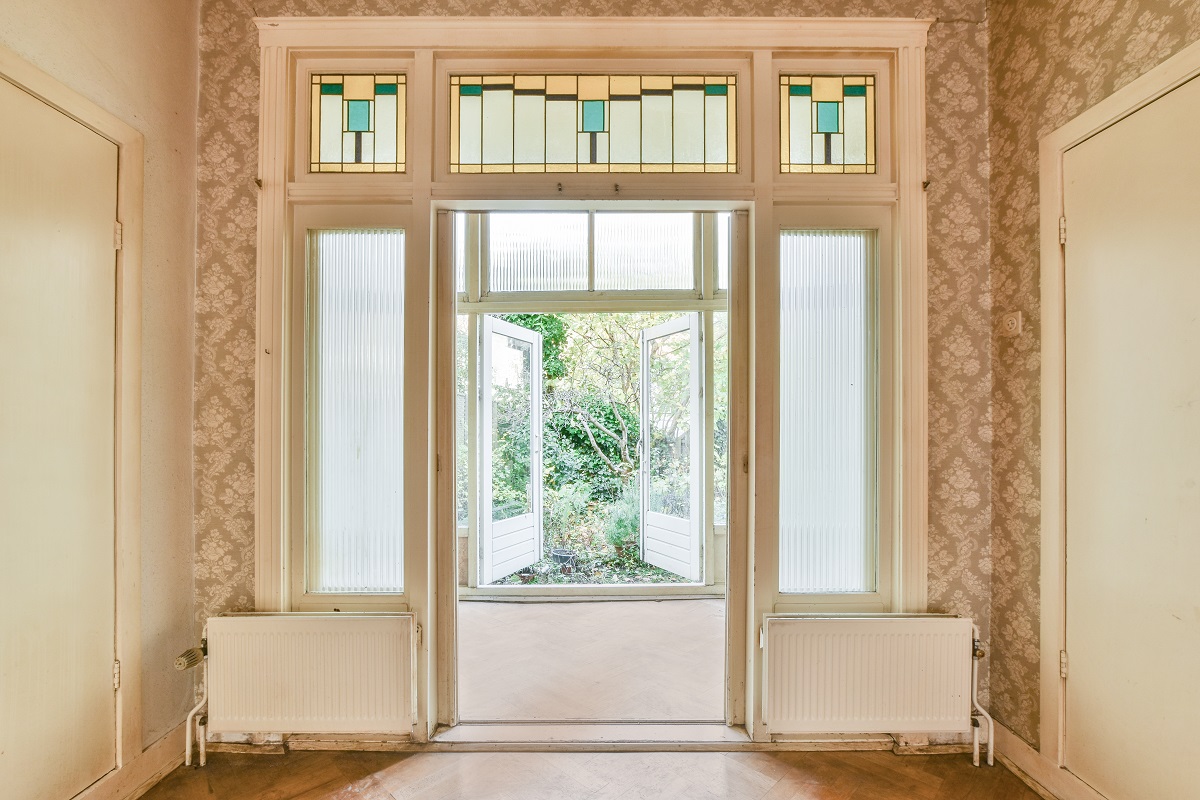
Appearance is where wood wins most people over. This Old House points to wood’s natural beauty and visible grain, and calls wood windows an excellent choice for keeping the authenticity of period homes.
Vinyl gives a clean, contemporary look, and some finishes imitate wood. This Old House notes they may not perfectly replicate the warmth and texture of real wood, which matters most on a house where the windows are a big part of the street view.
Paint and color flexibility
Wood can be any color you like, and the Efficient Windows Collaborative notes that paint lets you change color schemes easily. Vinyl’s color is fixed in the material, so choose carefully at the start. If you want to keep repainting as an option, wood or a paintable material is the way to go.
Historic and older homes
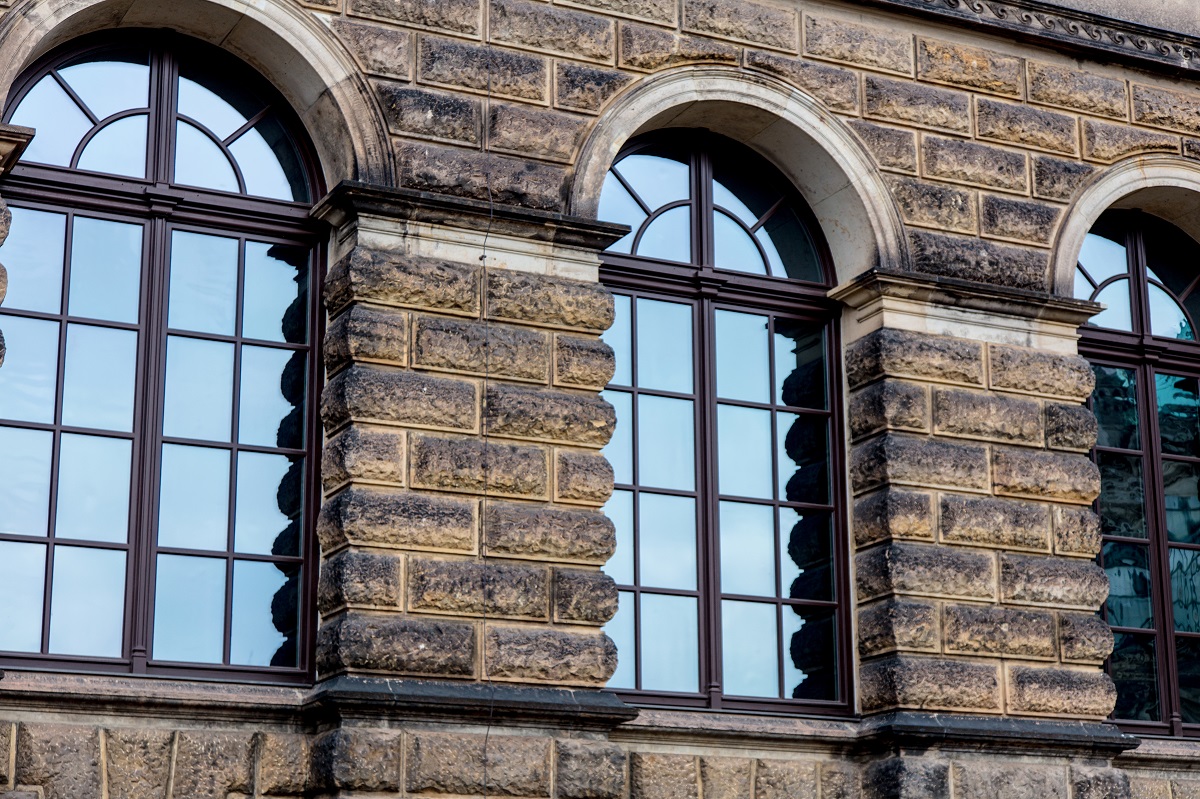
On an older house, the window’s shape and details carry the look. The National Park Service advises that choosing a replacement should start with the existing windows, including their size, the proportions of frame and sash, the pane pattern, muntin profiles and paint color. If your home has tall or unusual openings, our custom windows page shows how those shapes can be matched.
Lifespan and long-term value
Wood’s longer potential life depends on the maintenance it gets. This Old House says 30 years or more with proper maintenance, and the Efficient Windows Collaborat