
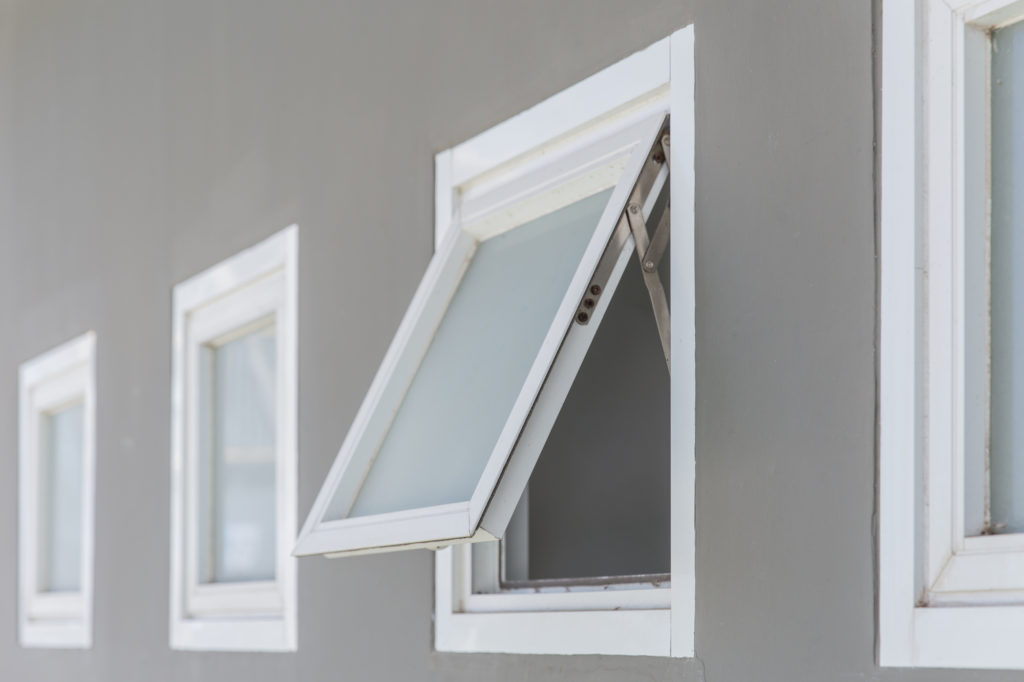
In a hot, humid Louisiana home, vinyl is usually the better all-around choice, and aluminum earns its place in a few specific situations. Vinyl insulates better, and This Old House says it generally lasts longer, up to 40 years against an average of 20 to 25 years for aluminum. Aluminum’s strengths are slim, rigid frames that can carry large panes of glass.
The catch with aluminum is heat. Metal conducts it readily, so an aluminum frame without a thermal break lets a lot of summer heat through the frame itself. That’s why federal energy guidance steers buyers toward nonconductive frames like vinyl, or toward aluminum with a well-designed thermal break.
At TurnKey Window, we replace windows in homes across the New Orleans area. To talk through your own windows, use our contact page or call (504) 226-6201.
Key takeaways
- This Old House lists aluminum windows at $75 to $400 each and vinyl at $100 to $900, with installation adding $100 to $300 per window.
- Aluminum conducts heat readily; a thermal break cuts an aluminum frame’s U-factor from roughly 2.0 to about 1.0, according to the Efficient Windows Collaborative.
- Vinyl frames are comparable with wood thermally, need no painting and resist moisture well.
- This Old House says aluminum is more susceptible to corrosion in harsh or coastal environments.
- Aluminum’s slim, rigid frames suit large and contemporary window designs.
- In a hot climate, the glass package often matters more than the frame, so compare low-e and SHGC ratings on every quote.
Why Louisiana’s climate tips the balance
Louisiana’s energy code puts every parish in Climate Zone 2A, the warm humid zone. A U.S. Department of Energy Building America case study of a New Orleans home describes the local climate as hot-humid and notes that intense solar radiation puts a large thermal load on houses, raising cooling costs and affecting comfort.
That same study says the ambient air carries significant moisture most of the year. For windows, that means two jobs: keep heat from moving through the frame and glass, and hold up to constant humidity without corroding, rotting or losing their seals.
Aluminum vs vinyl side by side
| Factor | Aluminum | Vinyl |
|---|---|---|
| Price per window (This Old House) | $75 to $400 | $100 to $900 |
| Installation (This Old House) | Adds $100 to $300 per window | Adds $100 to $300 per window |
| Lifespan (This Old House) | Average of 20 to 25 years | Up to 40 years |
| Heat flow through the frame | High unless thermally broken | Low; comparable with wood |
| Moisture and corrosion | More susceptible to corrosion in coastal settings | Good moisture resistance |
| Frame profile | Slim and rigid | Wider, with many color and texture options |
| Finish upkeep | Check for corrosion and peeling paint | No painting; periodic caulk |
How aluminum windows perform
The Efficient Windows Collaborative describes aluminum frames as light, strong, durable and easy to extrude into the complex shapes window parts need. Anodized and factory-baked enamel finishes are extremely durable and low-maintenance, according to the same source.
The main drawback is thermal conductance. The collaborative says aluminum readily conducts heat, which greatly raises a window’s overall U-factor. The standard fix is a thermal break, which splits the frame into inside and outside pieces joined by a less conductive material.
That fix works. The collaborative reports thermal breaks have reduced aluminum frame U-factors from roughly 2.0 to about 1.0. Even so, that’s still well above wood, whose frame U-factors it puts in the range of 0.3 to 0.5.
Disadvantages of aluminum windows
- Heat transfer. This Old House says aluminum transfers heat and cold easily, making it less efficient than vinyl.
- Corrosion near the coast. The same source calls aluminum more susceptible to corrosion and damage in harsh or coastal environments.
- Shorter average life. This Old House puts aluminum’s average lifespan at 20 to 25 years.
- Finish upkeep. Owners need to watch for rust, corrosion and peeling paint.
How vinyl windows perform
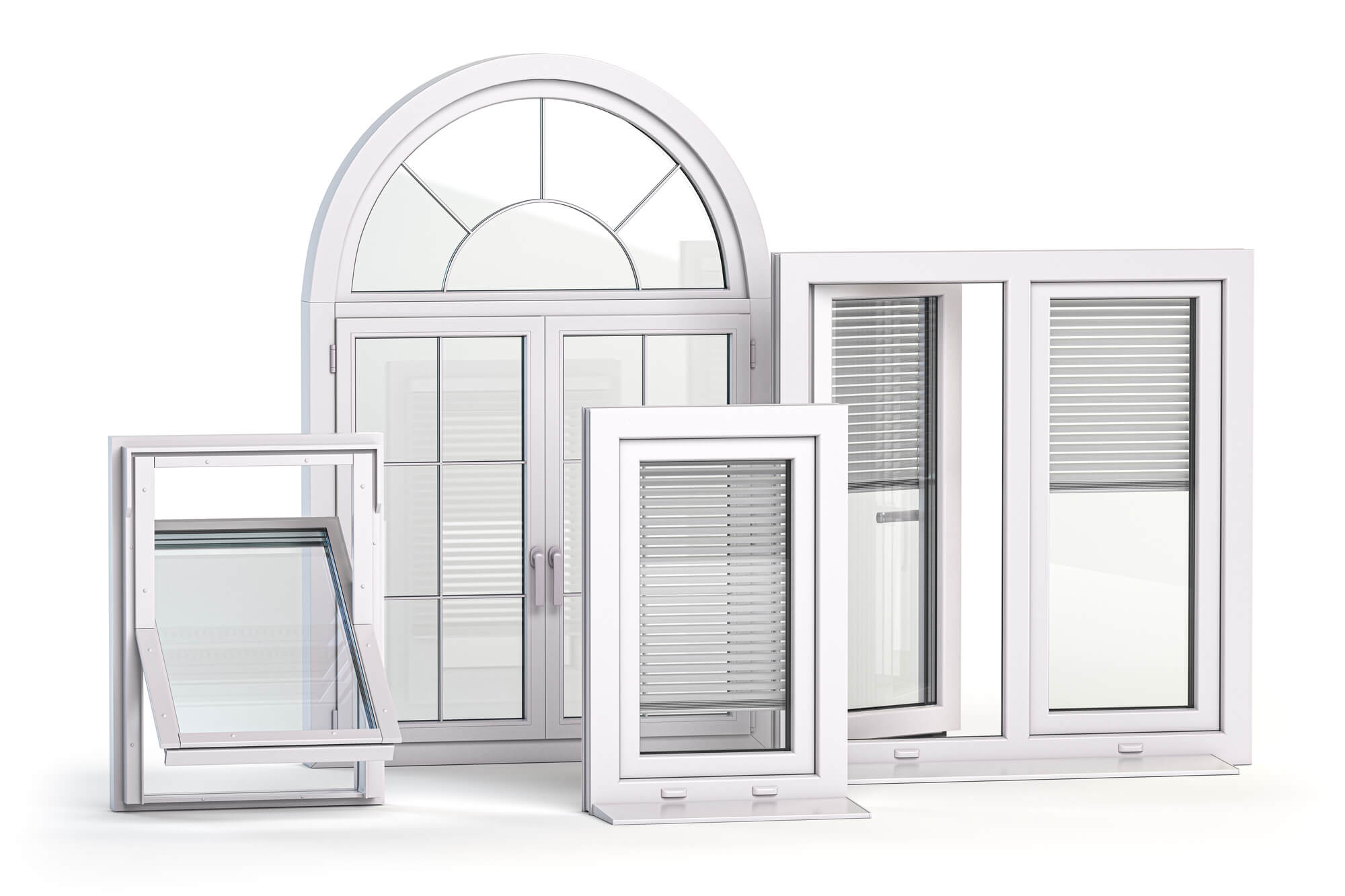
The Efficient Windows Collaborative describes vinyl, or PVC, as a versatile plastic with good insulating value. Vinyl frames don’t need painting and resist moisture well, and since the color goes all the way through, there’s no finish coat to damage.
It also notes that small hollow chambers inside vinyl frames reduce heat moving through by convection, and that vinyl frames are comparable with wood thermally. In a climate with a heavy cooling load, that frame performance adds up.
Disadvantages of vinyl windows
- Movement with temperature. This Old House notes vinyl expands and contracts with temperature changes, which can affect seals.
- Heat softening. In its fiberglass comparison, This Old House says vinyl begins to soften and distort at 165 degrees Fahrenheit.
- Bulkier frames. Vinyl profiles are generally wider than aluminum, which suits some houses better than others.
- Caulk maintenance. This Old House says vinyl needs periodic caulk reapplication.
SoftLite, the brand featured on our Soft-Lite installation page, lists its window lines, from Barrington and Classic Plus to Elements and Pro Series, as vinyl, and you can see the options on our window replacement page.
Replacing old aluminum windows
If your home still has older aluminum windows and they feel hot to the touch on a summer afternoon, or the frame is pitted and chalky, it’s worth pricing a replacement.
Here’s how a typical swap from aluminum to vinyl comes together:
- Inspec