
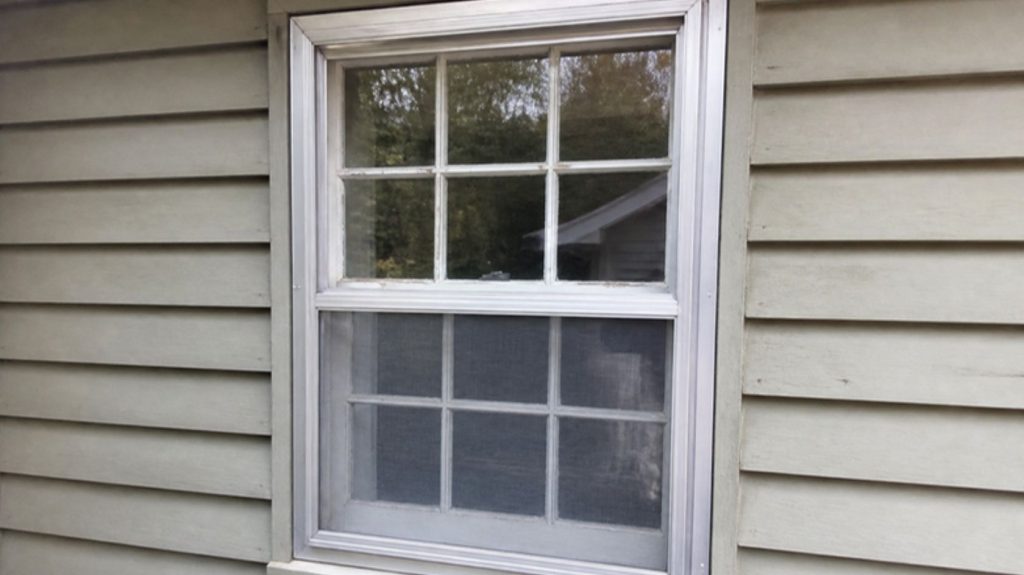
A storm window is a second window added to an existing one, either outside or inside, to cut drafts, heat transfer and noise. For an older home with sound original windows, a good storm window can be the cheaper, gentler upgrade. When the original windows are rotted, broken or beyond repair, replacement is usually the better call.
In New Orleans there’s a local wrinkle. Historic district rules limit exterior storm windows on the street side, so interior storms and repair are the options the HDLC’s guidelines point to.
At TurnKey Window we repair and replace windows in older homes across the New Orleans area. If you’re weighing the two, reach out for an assessment or call (504) 226-6201.
Key takeaways
- Storm windows are attachments added to an existing window to protect it from weather and improve energy performance, according to a PNNL and DOE program guide.
- In a PNNL field test, exterior low-e storm windows cut heating energy 10.5 percent and cooling energy 8.0 percent.
- The same program guide estimates a low-e storm window at about $10 per square foot, or roughly $150 for a 3 by 5 foot window.
- In hot climates, low-e storms with lower solar heat gain do more for cooling bills.
- The New Orleans HDLC does not permit exterior storm windows at locations visible from the street, but it points to interior storm windows as a way to improve historic windows.
- Replacement makes more sense when frames, sills or sashes are too far gone to repair.
What counts as a storm window
The Storm Window and Insulating Panel Utility Playbook, from Pacific Northwest National Laboratory and the Department of Energy’s storm window campaign, defines storm windows as attachments added to an existing window to protect it from weather and improve energy performance.
It describes two main types. Exterior storms mount outside the primary window. Interior storms and insulating panels mount inside, and while they don’t shield the old window from the elements, the playbook says they still improve energy efficiency, air sealing, comfort and outdoor noise reduction.
- Exterior storm windows protect the original sash and sill from rain and sun as well as adding insulation.
- Interior storm windows fit inside the existing window and leave the exterior look unchanged.
- Low-e storm windows add a low-emissivity coating, which the playbook says substantially decreases heat transfer through the window.
Storm windows are not hurricane windows
The name confuses people here. A storm window in the energy sense is a thermal and weather layer, not impact protection. The New Orleans HDLC’s Guidelines for Windows and Doors treat hurricane protection separately, pointing to shutters, pre-fitted panels and fabric storm panels.
If what you need is protection from wind-borne debris, look at impact-rated products instead. Our impact-resistant windows page explains how those work.
Do storm windows really work
For energy, the evidence is solid. PNNL tested exterior low-e storm windows over double-pane, clear-glass, aluminum-frame windows in a matched pair of lab homes. Its report on the Lab Homes study found average savings of 10.5 percent in the heating season and 8.0 percent in the cooling season.
Extrapolated over a typical year, that came to an estimated 10.1 percent annual energy savings, with a simple payback of 5 to 7 years. The report adds that homes with leakier older windows would likely see more savings than the test homes, whose primary windows were already well sealed.
Drafts are part of the story too. The PNNL playbook says case studies show modern storm windows cut overall home air leakage by an average of 10 percent, and that for older homes with old, leaky storms or none at all, that can be a big contributor to savings and comfort.
If you’re picturing the heavy, stuck storm panels of decades past, the playbook addresses that directly. It describes modern storm windows as operable, affordable and better looking than older storms.
For noise, the Federal Highway Administration’s noise reduction factors give light-frame buildings about 20 dB of reduction with ordinary closed sash and 25 dB with storm windows. The same FHWA guidance calls a 5 dB reduction readily perceptible.
What that means in a hot, humid climate
New Orleans sits in climate zone 2A, hot-humid, according to the Department of Energy’s Building America guide to climate regions. That changes which storm window helps most.
The PNNL playbook says savings depend heavily on region, and that cooling savings are more favorable in hot-summer regions when the low-e storm has lower solar heat gain. It also notes the lab test used high solar gain glass, which it calls ideal for northern climates, so ask for a lower solar heat gain product here.
| Existing window | Modeled cooling savings per window, climate zone 2 | Modeled gas heating savings per window, climate zone 2 |
|---|---|---|
| Single-pane wood frame | 49.4 kWh | 4.7 therms |
| Double-pane wood frame | 33.5 kWh | 1.5 therms |
Those modeled figures come from the PNNL playbook, averaged across two home types and both interior and exterior storms. Of the two, the single-pane wood window gains the most.