
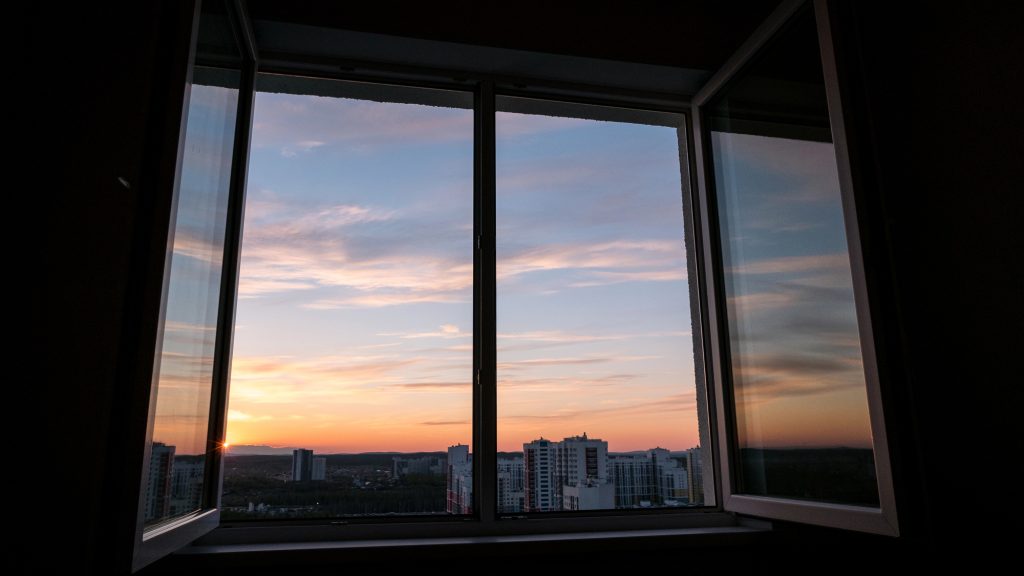
Vinyl windows are popular for good reasons: they cost less than most alternatives, they never need painting, and they insulate well. A 2024 market study by the Northwest Energy Efficiency Alliance reports that vinyl windows represent 75 percent of window sales nationally. The main drawbacks are a fixed color, bulkier frames than aluminum and some sensitivity to extreme heat.
For most everyday homeowners, those trade-offs are easy to live with, especially if low upkeep and a sensible budget sit at the top of your list. This guide lays out each pro and con with the numbers behind it, so you can decide with clear eyes.
At TurnKey Window, we install vinyl replacement windows around the New Orleans area. If you’d like to see options for your own home, reach us through the contact page or call (504) 226-6201.
Key takeaways
- Vinyl is the most common frame material, at 75 percent of national window sales in the NEEA study.
- Vinyl frames don’t need painting, resist moisture well and have color that runs all the way through.
- Thermally, the Efficient Windows Collaborative rates vinyl frames as comparable with wood.
- This Old House notes vinyl begins to soften and distort at 165 degrees Fahrenheit.
- Vinyl doesn’t take paint well, so the color you choose is the color you keep.
- Look for multi-chambered frames, reinforced sashes and an ENERGY STAR label for your climate zone.
The pros of vinyl windows
Vinyl’s advantages line up with what most homeowners want from a replacement window: lower cost, less work and better comfort. Here’s what each one looks like in practice.
Lower cost
Vinyl is usually the budget-friendly choice. Pella’s 2026 guide puts installed vinyl at $800 to $1,600 per window, against $1,100 to $2,200 for fiberglass and wood. This Old House’s 2025 survey of 1,000 homeowners found vinyl averaged $558 per window, compared with $651 for fiberglass.
Almost no upkeep
The Efficient Windows Collaborative says vinyl frames don’t require painting and have good moisture resistance. Because the color goes all the way through, there’s no finish coat that can be damaged, so a scratch doesn’t expose a different color underneath.
That matters in a damp climate. A U.S. Department of Energy Building America case study of a New Orleans home says the ambient air carries significant moisture most of the year, conditions that are hard on unprotected wood but easy on vinyl.
Good insulation
The collaborative describes vinyl, or PVC, as a versatile plastic with good insulating value. Small hollow chambers inside the frame reduce heat moving through by convection, and it rates vinyl’s thermal performance as comparable with wood.
Plenty of styles and options
Vinyl comes in nearly every common window style. SoftLite, for example, lists vinyl double hung, casement, sliding, awning and hopper, picture and shape, and bay and bow windows across its product lines, with lines ranging from Barrington to Elements and Pro Series.
Strength where it counts
Frame design makes a difference to how sturdy a vinyl window is. Pella notes that multi-chambered frames and metal-reinforced interlocking sashes add strength, and it lists vinyl lines engineered for coastal and impact resistance.
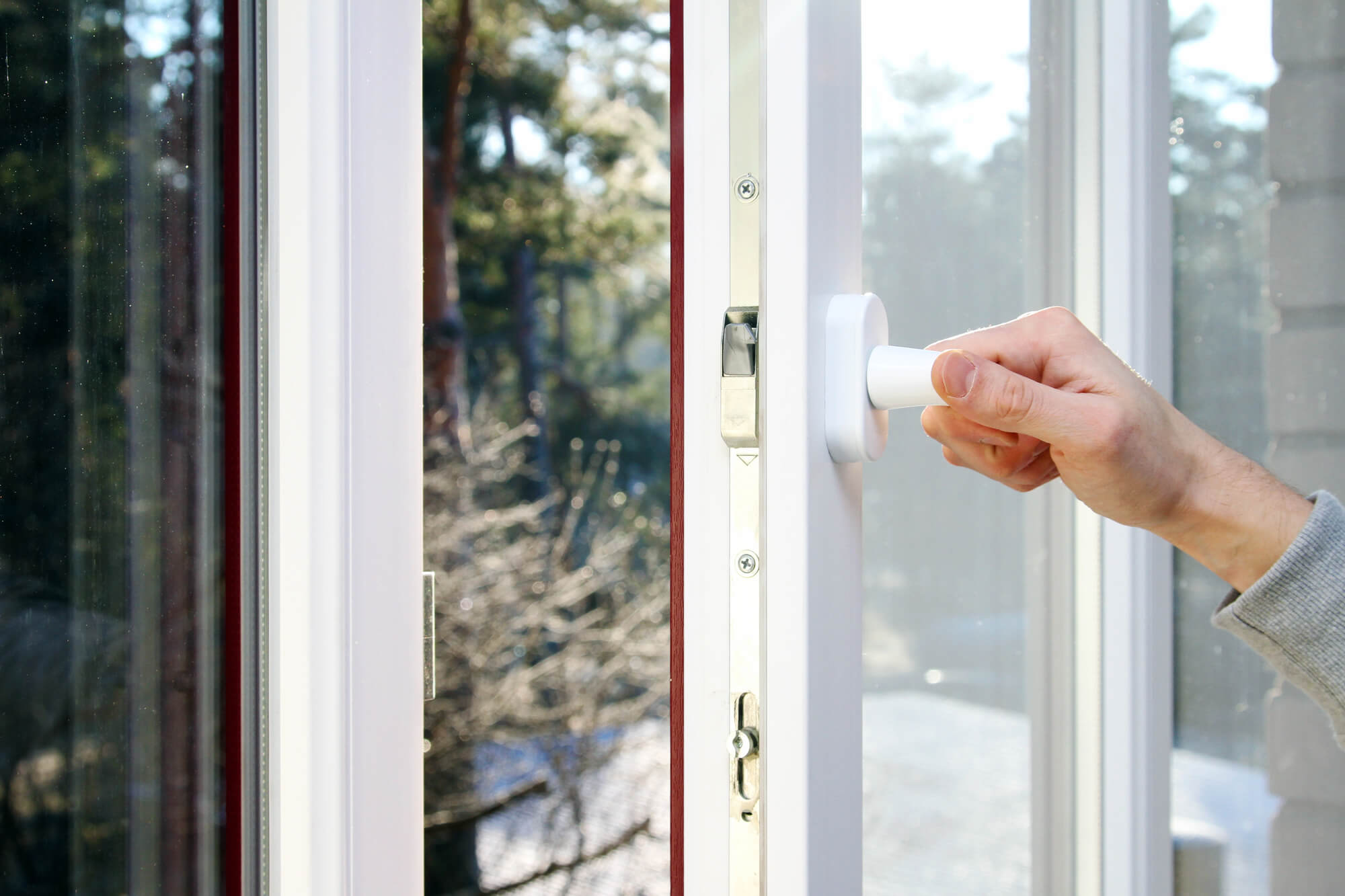
The cons of vinyl windows
Vinyl has real limits, and it’s better to know them before you buy than to find them later. None are deal-breakers for most houses, but some matter more on certain walls or certain homes.
Heat sensitivity
This Old House says vinyl begins to soften and distort at 165 degrees Fahrenheit, a temperature that can build up between a window and drapes on a sunny day. Its wood comparison also notes that vinyl can warp or fade in extreme temperatures.
Movement and seals
This Old House notes that vinyl expands and contracts with temperature changes, which can affect seals, and that it needs periodic caulk reapplication. Keeping an eye on the exterior caulk line is part of owning vinyl windows.
Fixed color and limited paint
Vinyl doesn’t take paint well, according to This Old House. If you like to change your exterior colors over the years, fiberglass or wood gives you more freedom.
Wider frames
Aluminum has slimmer, more rigid frames, as This Old House points out, so vinyl can look heavier on some modern designs. Some lines address this; SoftLite describes its Bainbridge LE as a vinyl window with a slimline frame for an expanded viewing area.
Shorter life than some alternatives
Lifespan estimates vary by source. This Old House’s articles give vinyl anywhere from 15 to 20 years to up to 40 years, compared with up to 50 years or longer for fiberglass, so installation quality and exposure play a big part.
Pros and cons side by side
| Pros | Cons |
|---|---|
| Lower cost than fiberglass or wood in most guides | Softens at 165 degrees Fahrenheit, per This Old House |
| No painting, good moisture resistance | Doesn’t take paint well, so color is fixed |
| Insulates comparably with wood | Expands and contracts, which can affect seals |
| Color runs all the way through | Frames are wider than aluminum |
| Available in nearly every common style | Shorter expected life than fiberglass |
How to tell a good vinyl window from a cheap one
Vinyl lines differ in frame design, glass and features, and SoftLite alone lists seven window lines. These checks help you compare quotes on equal terms.
- Ask about the frame design. Multi-chambered frames and reinforced interlocking sashes, as Pella describes, add strength and insulation.
- Read the NFRC label. Look for the U-factor and solar heat gain coefficient, the two numbers that tell you how the whole window handles heat.
- Check ENERGY STAR for your zone. ENERGY STAR advises asking for certification for your specific climate zone and looking for its label next to the NFRC label on the glass.
- Match the glass to the climate. For the Southern zone, the Building America Solution Center lists a U-factor of 0.32 or lower and an SHGC of 0.23 or lower.
- Ask who installs it. ENERGY STAR recommends installers certified by the manufacturer and following the manufacturer’s installation instructions.
Louisiana’s energy code puts every parish in Climate Zone 2A, which falls in ENERGY STAR’s Southern region. That’s the rating to ask for if you live anywhere in the state.